


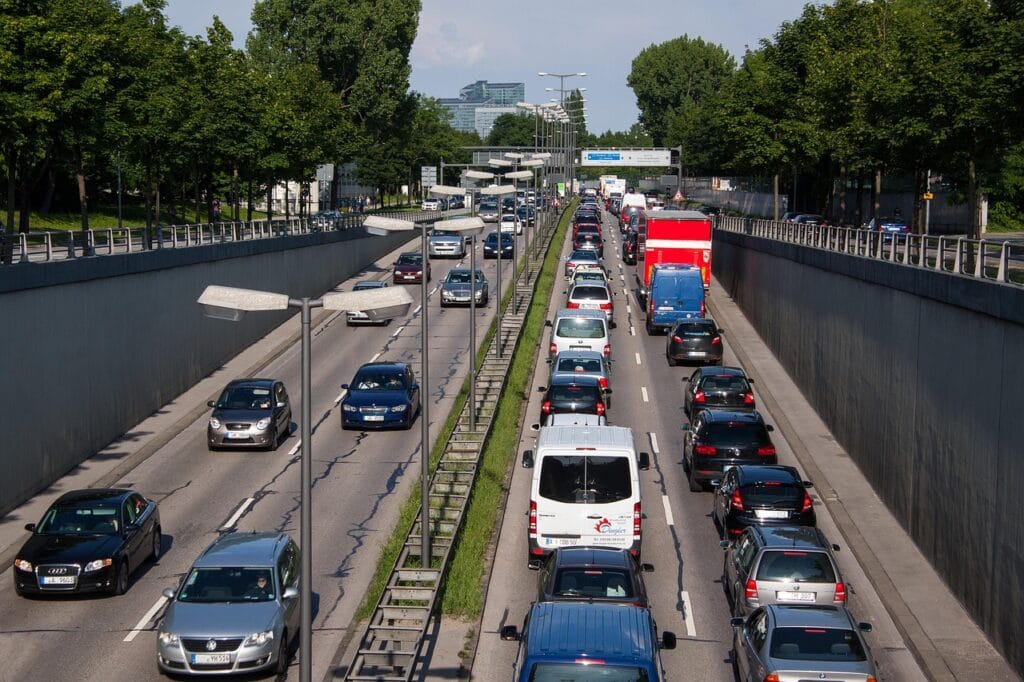
How Culture Shapes the Way We Drive
Driving may feel like a purely practical activity: get in the car, follow the rules, get where you’re going. But how people actually behave behind the wheel tells a much bigger story. Across the world, driving styles vary widely, not because people are better or worse drivers, but because culture shapes how risk, control, emotion, and personal freedom are understood.
Research consistently shows that driving behavior reflects deeper cultural values.
Driving as a Cultural Expression
Studies comparing driving styles across countries reveal clear patterns. For example, research by Xu and Sun found that Chinese drivers tend to exhibit higher levels of anxious, angry, and risk-prone driving behaviors when compared to drivers in the United Kingdom. This doesn’t mean Chinese drivers are inherently reckless. Rather, it reflects the environment they drive in.
In highly congested cities, where traffic is dense and road conditions change quickly, drivers often develop a more assertive style. Honking, rapid lane changes, and close following distances become coping mechanisms in a system that feels unpredictable. Anxiety and urgency behind the wheel are responses to constant external pressure.
By contrast, UK driving culture emphasizes predictability, rule-following, and emotional restraint. Roads are structured, enforcement is consistent, and social norms discourage overt displays of frustration. As a result, driving tends to feel calmer, even in busy areas.
Risk, Freedom, and Control
Other studies highlight how cultural values influence decision-making on the road. Zhang’s research comparing Japanese and American drivers points to a clear divide in how risk is approached.
Japanese drivers tend to prioritize risk avoidance. Caution, anticipation, and smooth traffic flow are valued. This aligns with broader cultural norms that emphasize harmony, responsibility, and minimizing disruption to others. Defensive driving is not just a safety choice — it’s a social one.
American drivers, on the other hand, often prioritize personal freedom. Driving is closely tied to independence, autonomy, and identity. This can translate into higher risk tolerance: faster speeds, assertive maneuvers, and a belief that individual judgment outweighs collective flow.
Neither approach is inherently right or wrong. Each reflects what a society values — safety versus autonomy, predictability versus flexibility.
Emotions Behind the Wheel
Cultural attitudes toward emotion also play a role. In some cultures, expressing frustration or urgency openly is acceptable. In others, emotional restraint is expected, even under stress.
These norms shape how drivers respond to traffic delays, mistakes by others, or unexpected obstacles. What looks like aggression from the outside may actually be a culturally learned response to pressure.
Why This Matters
Understanding cultural differences in driving is important not just for travelers, but for urban planners, policymakers, and anyone working in global mobility or transportation. Road design, enforcement strategies, and safety campaigns that work in one country may fail in another if they don’t align with cultural expectations.
Driving is not just about rules, it’s about trust, cooperation, and how people navigate shared space.
So the next time you’re on the road abroad and notice driving that feels chaotic or overly cautious, it may help to remember: you’re not just seeing traffic. You’re seeing culture in motion.