


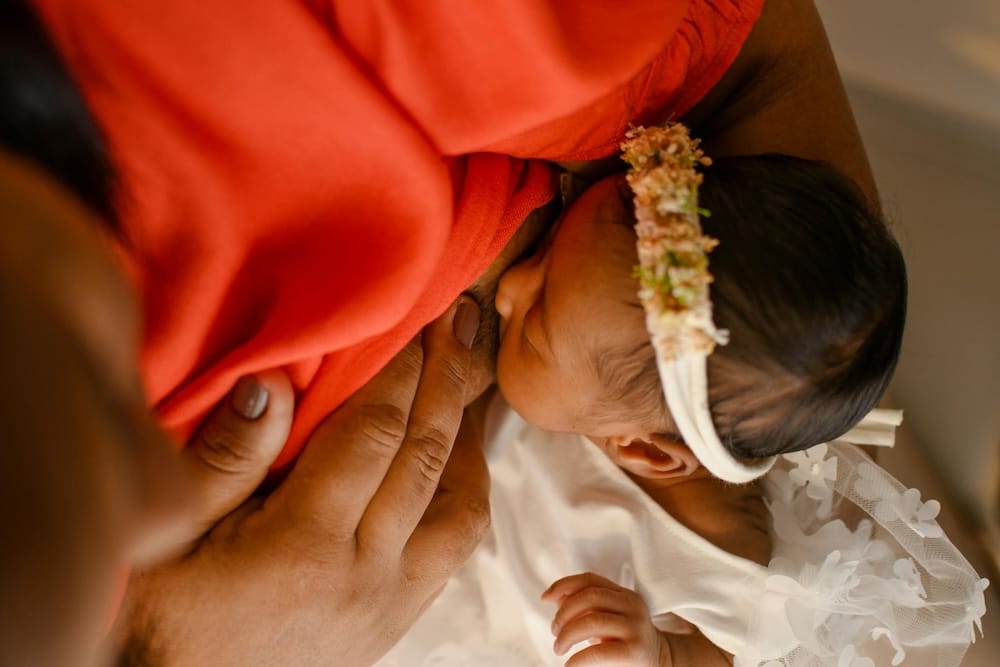
The question of whether to breastfeed is often framed as a personal choice, guided by health advice, convenience, or individual comfort. But around the world, infant feeding is shaped by far more than personal preference. It is deeply influenced by culture, social norms, public policy, and how societies view women’s bodies.
In many Western countries, breastfeeding is strongly encouraged by medical institutions, yet socially complicated in practice. New parents are told that “breast is best,” while simultaneously receiving mixed messages about when and where breastfeeding is acceptable. Public breastfeeding can still spark discomfort or criticism, placing parents in a contradictory position: expected to breastfeed, but only discreetly.
In contrast, in cultures where breastfeeding is openly normalized, the act itself carries little social weight. Feeding a baby in public is seen as routine, practical, and unremarkable. There is no expectation to hide, cover up, or explain. In these societies, breastfeeding is not a statement, it is simply caregiving.
Elsewhere, formula feeding may be more common, not because of stigma around breastfeeding, but due to economic realities, workplace expectations, or historical influence. In countries where maternity leave is short or informal employment is widespread, breastfeeding can be difficult to sustain. Feeding choices reflect structural constraints rather than individual values.
Cultural attitudes toward modesty also play a significant role. In societies with strict expectations around women’s bodies, breastfeeding may be limited to private spaces, even if it is encouraged in principle. The result is often emotional pressure: parents feel responsible for meeting health ideals while navigating social discomfort.
There is also the influence of generational norms. In some cultures, older family members strongly shape infant feeding decisions, passing down beliefs about strength, nutrition, or tradition. In others, parents rely more heavily on medical guidance or peer communities. These differences can lead to tension, especially when cultural expectations clash with modern health messaging.
What often gets lost in these conversations is the reality that no feeding decision exists in a vacuum. Breastfeeding and formula feeding are both shaped by access, support, education, and social acceptance. A culture that truly supports breastfeeding doesn’t just promote it, it makes space for it. That means parental leave, flexible work environments, and public attitudes that treat infant feeding as normal rather than controversial.
At the same time, cultures that value choice recognize that feeding decisions are not moral judgments. Parents may choose formula for medical reasons, mental health, work demands, or personal comfort. Supportive cultures allow for these choices without shame.
Ultimately, the question of whether to breastfeed is not just about nutrition. It’s about how societies support caregivers, how they view women’s bodies, and how comfortable they are with the visible realities of care.
Understanding breastfeeding as a cultural issue (rather than a personal failure or success) allows for more empathy, better policy, and healthier conversations around early parenthood.