


Stress doesn’t need a passport. It shows up in crowded calendars, growing expectations, and the steady pressure of modern life. What changes across borders is not the presence of stress itself, but the way people respond to it.
It’s been shown that one of the most consistent factors shaping how people navigate stress across cultures is connection. When people feel supported and understood, stressful situations often feel more manageable. In many parts of the world, that reassurance is not something people have to actively seek out. It is embedded in daily life.
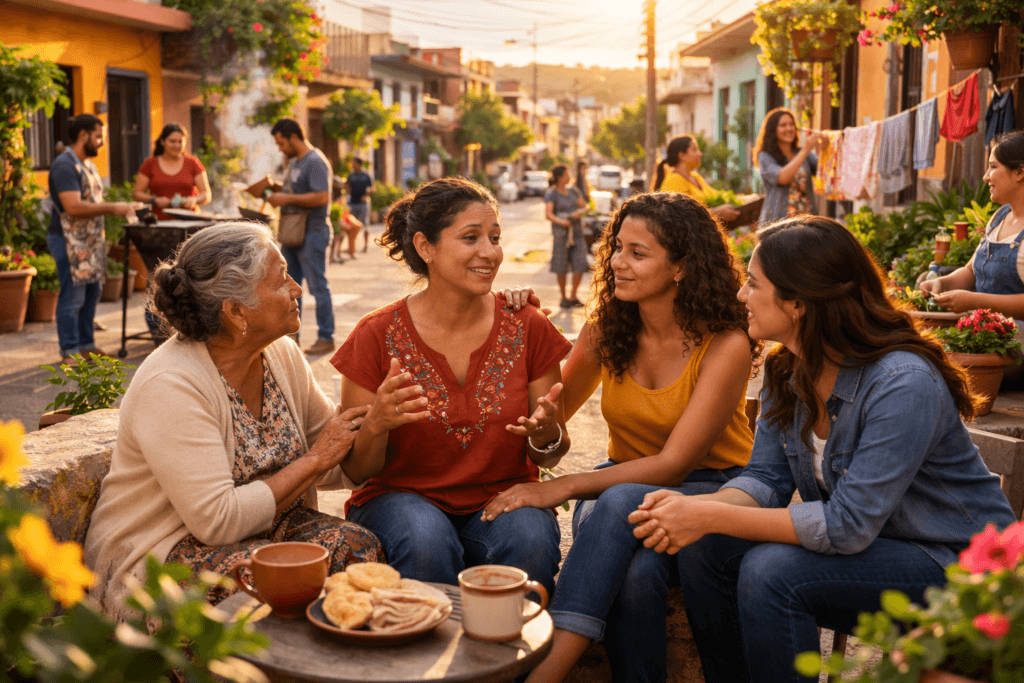
In more interdependent cultures, such as Italy or Mexico, close relationships are central to everyday experience. Family and friends remain actively involved, and emotional connection is maintained through frequent interaction. Stress is often discussed openly and shared naturally, moving through social networks rather than settling entirely on one person.
In more individualistic cultures, including the United States, independence and self-reliance are more strongly emphasized. People are often expected to manage pressures privately before reaching outward. Support still exists, but it may be accessed later, once stress has already intensified, rather than serving as the first response.
How people see themselves also shapes how they deal with stress. In cultures where identity is closely tied to relationships and community, self-esteem is reinforced through belonging and shared roles. That steady reinforcement can act as a buffer during difficult periods. When people feel grounded in their connections, challenges are less likely to feel like personal failures and more like situations that can be navigated together.
In more independent cultures, the dynamic shifts. Self esteem is more closely tied to personal achievement and internal standards. When plans falter or expectations are unmet, stress can feel personal and harder to shake, especially when there is a cultural expectation to resolve it alone.
These differences aren’t about which culture handles stress better. They show how culture shapes the expectations people carry about strength, resilience, and support. Stress may be universal, but whether it is faced alone or eased through connection is learned. Recognizing that difference allows us to see stress not just as an individual burden, but as something deeply influenced by the communities around us.