


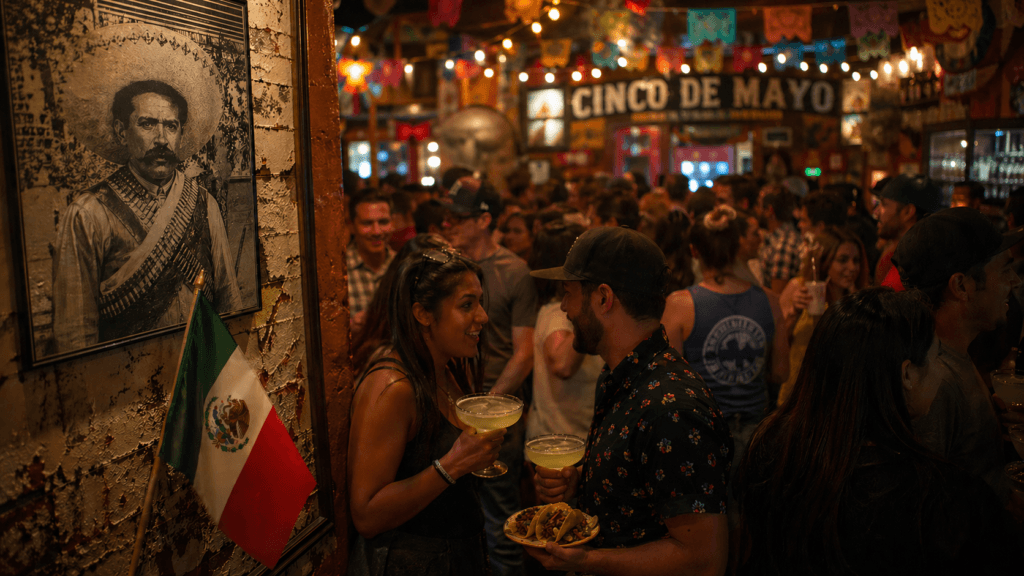
Walk into almost any bar in the United States on May 5th, and the scene is familiar.
Music is loud. Drinks are flowing. Tacos and margaritas fill the menu. The phrase “Cinco de Mayo” gets repeated all night.
It feels like a celebration.
But what is being celebrated?
Cinco de Mayo marks the Battle of Puebla in 1862, when a smaller Mexican army defeated French forces. It’s a historical moment tied to resilience, resistance, and national pride.
And in Mexico it’s honored, but it’s not celebrated on the same scale as in the states.
So how did it become such a big party in the U.S.?
The holiday first gained traction in the states in 1863, when Mexican-Americans celebrated it as a show of solidarity with Mexico. Though over time, as it spread, that meaning shifted. Businesses leaned into it and marketing amplified it.
What remained was the celebration. What faded was the historical context.
Don’t be mistaken, it’s entirely possible to enjoy the food, the music, and the energy of Cinco de Mayo without knowing the history behind them. That’s not unusual, as it happens with traditions all over the world.
But at its core, Cinco de Mayo is not purely about margaritas, tacos and parties. It’s about honoring Mexican’s strength, resilience and meaningful history.